Avoid common mistakes when booking oven cleaning Ilford
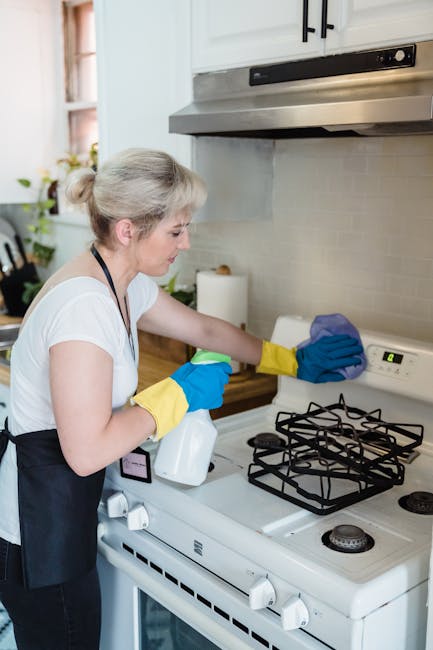
If you have ever booked a cleaning job and then thought, "Hmm, that's not quite what I expected," you are definitely not alone. Booking oven cleaning Ilford should be simple, but a few small mistakes can turn a useful service into a frustrating one. The good news? Most of those problems are easy to avoid once you know what to check before you book.
In this guide, we'll walk through the common traps, the questions worth asking, and the practical details that matter more than flashy promises. Whether you're cleaning up before guests arrive, after a busy family stretch, or as part of a bigger deep clean in Ilford, this article will help you make a calmer, smarter choice. Let's make it straightforward.
Why Avoid common mistakes when booking oven cleaning Ilford Matters
Booking an oven clean sounds like a small household task, but the details matter. An oven is one of those things that can look "fine enough" on the outside while hiding grease, burnt-on residue, and messy corners that need proper attention. If you pick the wrong provider, misunderstand what's included, or rush the decision, you can end up with poor results, avoidable extra costs, or a job that just doesn't feel finished.
In practical terms, the biggest reason to avoid booking mistakes is simple: ovens vary. Some are standard single ovens. Others include ranges, double ovens, glass doors, extractors, or tricky parts that need more time and care. A good booking should reflect that reality, not pretend every job is the same. Truth be told, that's where many people slip up - they choose the cheapest option without checking whether the quote actually matches the oven in front of them.
There's also the trust side. A cleaning appointment often involves access to your home, kitchen surfaces, and sometimes neighbouring rooms if the cleaner needs space to work. You want to know who is coming, what standards they follow, and what happens if something goes wrong. That is why pages like about the company, insurance and safety information, and the terms and conditions are worth a proper look before you commit.
And let's face it: nobody wants to spend an evening dealing with a greasy oven door after expecting a sparkling finish. Avoiding the common mistakes upfront saves hassle later. It also gives you a better chance of getting a result that genuinely feels worth the money.
Expert summary: The best oven booking is rarely the cheapest or the flashiest. It is the one that matches your oven type, sets clear expectations, explains safety and access, and gives you a transparent price before anyone arrives.
How Avoid common mistakes when booking oven cleaning Ilford Works
The booking process is usually straightforward, but the quality of the outcome depends on how carefully you handle each step. Think of it as a short chain: identify what you need, ask the right questions, confirm the scope, then book with confidence. If one link is weak, the whole experience can wobble a bit.
Most oven cleaning bookings start with a quote request. That should ideally cover the appliance type, the level of soiling, and any extras such as hobs, extractor fans, or glass panels. A well-run service may also ask about access, parking, and whether the oven is built-in or freestanding. These details are not fussy for the sake of it; they help avoid awkward surprises on the day.
From there, a cleaner or service provider may confirm availability, explain what is included, and set out any limits. For example, some jobs may exclude repairs, electrical faults, or damage that cannot be safely cleaned away. That's normal. What is not normal is vague wording that leaves you guessing until the technician is already in your kitchen.
You may also come across one-off bookings alongside broader domestic cleaning arrangements. If your oven clean is part of a bigger reset after a busy period, a one-off cleaning service in Ilford can make more sense than trying to piece services together yourself. For landlords, tenants, or homeowners prepping for a move, end of tenancy cleaning in Ilford can be a practical route too.
A small but important point: timing. If you need the oven ready before a family dinner, an inspection, or a property handover, leave some breathing room. Booking the day before is asking for stress. A few days' margin is much kinder to everyone involved.
Key Benefits and Practical Advantages
When you avoid the usual booking mistakes, the benefits show up quickly. You save time, reduce stress, and usually get better value because the job is matched properly to what your oven actually needs. That may sound obvious, but it is often the difference between a decent service and a disappointing one.
- Clearer pricing: You are less likely to be hit by hidden extras or awkward add-ons after the visit.
- Better results: The cleaner can bring the right process, equipment, and time allowance.
- Less disruption: Proper planning means fewer delays, fewer follow-up messages, and a smoother appointment.
- More trust: Knowing who is coming and what standards they follow helps you feel comfortable at home.
- Longer-lasting cleanliness: A proper clean makes maintenance easier next time around.
There is also a subtle but real benefit for the kitchen itself. Grease buildup around an oven can make the whole room feel stale, even when the rest of the house is tidy. After a proper clean, the space tends to smell fresher and look brighter. Not magic, just less baked-on grime in the corners.
If you are already thinking about wider home maintenance, it can make sense to combine your oven booking with other tasks from the same visit or season. A lot of households pair it with spring cleaning in Ilford, house cleaning in Ilford, or other domestic services. That approach is often easier than trying to piece things together one bit at a time.
For landlords and property managers, the upside is even more practical. Fewer disputes. Better presentation. Less time spent wondering whether the kitchen will pass the sniff test, so to speak. Small details do matter.
Who This Is For and When It Makes Sense
This topic matters to more people than you might think. It is not just for homeowners with a greasy oven door and a guilty conscience. It is for anyone who wants a proper result without wasting time or money on the wrong booking.
You may need this guidance if you are:
- a homeowner trying to refresh a tired kitchen
- a tenant preparing a property for check-out
- a landlord trying to keep standards consistent between lets
- a busy family that uses the oven daily and needs a reset
- someone planning a deeper domestic tidy-up around the same time
It also makes sense if you have not had an oven cleaned professionally in a long while. The longer grease and carbon have been building up, the more important it becomes to ask what the service covers. A quick wipe-down and a full internal clean are not the same thing. Not even close.
Some readers will also be juggling other cleaning jobs, which is where services like domestic cleaning in Ilford or house cleaning in Ilford can fit into the picture. Others may be planning a broader reset alongside carpet cleaning in Ilford or upholstery cleaning in Ilford. If that sounds like you, booking with a clear plan really helps.
And if your kitchen is part of a larger office or rental turnover, you may even be coordinating with office cleaning in Ilford or end of tenancy cleaning in Ilford. Different setting, same principle: clarity beats assumptions every time.
Step-by-Step Guidance
Here is a practical way to book without the common headaches. Keep it simple, but do not skip the details.
- Identify the oven type. Single, double, range, built-in, or freestanding. If you are not sure, take a photo before you enquire.
- Check what needs cleaning. Oven cavity, shelves, racks, doors, hob, extractor, knobs, and trays all count differently.
- Ask for a clear quote. Make sure the quote matches the actual appliance and not a generic "standard oven" assumption.
- Confirm what is included. Ask whether degreasing, glass cleaning, and removable part soaking are part of the service.
- Read the service details. A page like services overview helps you see what the company offers more broadly.
- Review safety and access notes. Check whether you need to provide parking, electricity, water, or clear working space.
- Look at policies before you book. The health and safety policy and payment and security information are there for a reason.
- Book with enough lead time. Same-day bookings can work, but only if your expectations are realistic and the service can accommodate them.
- Prepare the area. Move small items, clear the front of the oven, and give the cleaner enough room to work safely.
- Inspect the result before they leave. A quick check while the job is fresh is far easier than trying to sort things out later.
That final step matters more than people think. If something looks off - a missed shelf, a streak on the glass, a bit of residue - it is much simpler to mention it straight away. No drama, just honesty. Most good providers prefer that too.
Expert Tips for Better Results
After enough oven cleaning appointments, the same patterns show up again and again. A few sensible habits make the whole process smoother and usually save money in the long run.
1) Be specific, not vague. "Standard oven" is fine as a starting point, but not as your only detail. Say whether it is heavily used, whether there is burnt-on grease, and whether the glass door has staining. The more accurate the picture, the more useful the quote.
2) Ask what could change the price. A provider should explain if the quote might vary for access issues, extra components, or unusual build types. That is not a red flag; it is just good practice.
3) Avoid booking around a tight event window. If you need the oven spotless for a dinner party in the evening, do not book the cleaner for the same afternoon unless you are absolutely sure of the timing. Give yourself a cushion. Kitchen life is unpredictable, and the kettle will probably boil at the wrong moment anyway.
4) Choose value, not just price. A low quote can be tempting, but if it leaves out key parts of the oven or the service feels rushed, it may cost more in the end. Better to pay fairly once than twice for the same job.
5) Keep an eye on communication. Fast replies, clear explanations, and straightforward booking steps are all signs that the service is organised. If the communication is muddled before the job starts, it rarely gets better on the day.
If you want a cleaner sense of how local content and service pages tie together, browsing the Ilford cleaning blog can help you see how different situations are handled. For example, the posts on busy landlords on Ilford High Road and Gants Hill kitchen deep cleans show how different use cases need different planning.
Common Mistakes to Avoid
This is the heart of the topic, really. Most booking problems are not dramatic mistakes. They are small, ordinary oversights that add up.
- Booking without checking the oven type: A single oven and a range cooker are not priced or cleaned the same way.
- Assuming everything is included: Hobs, extractor fans, and extra trays may not be part of the base service.
- Not reading the terms: You should know the cancellation rules, payment expectations, and any exclusions.
- Choosing purely on the cheapest quote: Low prices can hide limited scope or rushed work.
- Ignoring access needs: Parking, building entry, and working space all affect the appointment.
- Booking too late: Last-minute arrangements create avoidable stress.
- Failing to ask about safety: You want to know how the provider handles chemicals, surfaces, and household access.
- Not checking complaints handling: If there is a problem, it helps to know the process in advance. A clear complaints procedure is a reassuring sign.
One mistake people often overlook is forgetting that a professional clean is still a partnership. The cleaner brings skill and equipment, yes, but you still need to give them accurate information. No one likes a booking that starts with, "Oh, I forgot to mention the extractor is covered in grease too." It happens. More often than you'd think.
Another subtle mistake is not thinking about aftercare. A freshly cleaned oven stays better for longer if you use it normally but clean spills before they bake on again. Simple, but effective.
Tools, Resources and Recommendations
You do not need fancy tools to book well, but a few simple things help a lot.
- Phone camera: Take a clear photo of the oven, hob, and extractor before you enquire. It reduces confusion.
- Quick notes: Jot down the oven model, approximate age, and any known problem areas.
- Calendar reminders: Useful if you are coordinating the clean with a property handover or family event.
- Policy pages: Check terms and conditions, privacy policy, and cookie policy if you are sharing details online and want to understand how the site works.
- Service information pages: A good provider's pricing and quotes page should make the booking path easier to follow.
For households that need a broader reset, it may be useful to compare oven cleaning against a spring cleaning service or a one-off cleaning visit. These services can overlap, but they are not identical. Oven cleaning is a specialist task; general cleaning supports it, but does not replace it.
If you are still weighing up the provider, take a minute to review how the business presents itself on about us and any linked service pages. Not because slick design means quality - it doesn't, always - but because clear information usually points to a more organised operation.
Law, Compliance, Standards, or Best Practice
There is no need to overcomplicate this section. Oven cleaning is a domestic service, but good practice still matters. In the UK, customers generally expect providers to operate safely, communicate clearly, handle personal data appropriately, and describe services honestly. That is just sensible business behaviour, really.
From a practical perspective, the most important standards to look for are:
- Clear scope: What exactly is being cleaned, and what is excluded?
- Safe working practice: Are products, equipment, and access handled with care?
- Transparent payment: Are prices, deposits, and any changes explained before work starts?
- Complaint handling: Is there a defined process if you need to raise an issue?
- Respect for privacy: If a company collects your details, its privacy information should be accessible and understandable.
If you are booking on behalf of a landlord, tenant, or business, those basics become even more important. A property handover can be sensitive. So can a customer-facing kitchen or an office kitchenette. If the service provider also supports other domestic or commercial needs, pages like office cleaning in Ilford or domestic cleaning in Ilford can help you judge how broadly they work.
You may also want to see whether the business has set out its approach to ethical practice and welfare. A published modern slavery statement is not something every customer will read in detail, but its presence can tell you something about the company's governance and seriousness. Same with a clear insurance and safety policy. These pages are not glamorous, but they are useful. Very useful, actually.
Options, Methods, or Comparison Table
When booking oven cleaning, you are usually choosing between a few service styles. The right one depends on the oven condition, your timeline, and whether you want just the appliance or a wider clean around it.
| Option | Best for | Advantages | Watch out for |
|---|---|---|---|
| Standalone oven clean | Most households with a dirty or neglected oven | Focused, efficient, usually the most direct option | May not include surrounding kitchen cleaning |
| One-off cleaning | Homes that need a broader reset | Useful when the whole room needs attention | Not always as specialised for ovens alone |
| Deep cleaning | Heavier buildup or overdue cleaning | Good for kitchens that need more than a surface tidy | May take longer and cost more depending on scope |
| End of tenancy clean | Moves, inspections, or landlord requirements | Helpful when the oven is one part of a larger property clean | Check whether oven detailing is specifically included |
If the oven is the main issue, a standalone specialist clean is often the neatest choice. If the kitchen overall feels tired, then a broader service such as deep cleaning in Ilford may make more sense. The trick is not to overbuy or underbuy. Match the service to the actual problem. Sounds basic, but that's where the best decisions usually live.
Case Study or Real-World Example
A typical example: a family in Ilford notices their oven has become slower to clean and starts smoking a little when preheating. They search for a quick booking, see a cheap price, and nearly confirm it without asking what is included. After a second look, they realise their oven is a double unit with removable doors, extra shelves, and a stained extractor above it.
They slow down, send photos, and ask for a more precise quote. The provider explains the scope clearly, confirms the time needed, and mentions that the extractor can be included as an extra. The appointment takes a little longer than they first expected, but the end result is far better: less smoke, less smell, and a kitchen that feels fresher on a wet Sunday afternoon when the whole house seems to notice every detail.
Now compare that with the rushed version. A vague booking, a generic quote, and an expectation that "oven clean" means everything in the kitchen. That is where disappointment creeps in. Not because the service is bad, necessarily, but because the booking never matched reality.
Local context matters too. If you live near busier roads or manage regular household turnover, your cleaning needs may be more time-sensitive. A useful read alongside this one is the Cranbrook Estate local tips article, which shows how local timing and property type can shape the booking approach.
Practical Checklist
Use this before you book. It takes two minutes, maybe less if the kettle is already on.
- Have I identified the oven type correctly?
- Have I sent photos or a clear description?
- Do I know exactly what is included in the quote?
- Have I checked for extras like hobs or extractor fans?
- Do I understand the payment and cancellation terms?
- Have I confirmed access, parking, and timing?
- Have I looked at safety, insurance, and complaints information?
- Is the booking date realistic for my schedule?
- Have I prepared the area around the oven?
- Do I know what to inspect before the cleaner leaves?
If you can tick most of those boxes, you are already ahead of a lot of rushed bookings. Honestly, that is half the battle.
Conclusion
Booking an oven clean should make life easier, not add another layer of uncertainty. The safest approach is to slow down just enough to check the details: oven type, scope, timing, price, policies, and expectations. Once those are clear, the whole process becomes much simpler and the end result is usually much better too.
In the end, avoiding common mistakes is really about respecting your own time. A clear booking saves arguments, reduces surprises, and gives you a cleaner kitchen without the faff. That's the goal, after all.
Get a free quote today and see how much you can save.
If you are still comparing options, start with the service information, read the policies, and choose the option that fits your oven rather than the cheapest headline number. A good booking feels calm from the first message to the final wipe-down. That calm is worth a lot.
Frequently Asked Questions
What should I check before booking oven cleaning in Ilford?
Check the oven type, what is included in the quote, whether extras cost more, and whether the provider explains access, timing, and payment clearly. Those basics prevent most of the common problems.
Is the cheapest oven cleaning service always the best choice?
Not usually. A cheaper quote can be fine if the scope is clear, but very low pricing sometimes means limited cleaning, rushed work, or unexpected add-ons later. Value matters more than the headline number.
How do I know if a quote is fair?
A fair quote should match your oven's size, condition, and features. If your oven has extra doors, racks, a hob, or an extractor fan, the quote should reflect that. If it feels too vague, ask for clarification.
Should I book oven cleaning as a standalone service or with other cleaning?
If the oven is the main issue, standalone oven cleaning is often the best fit. If the kitchen or home needs a wider refresh, it may make sense to pair it with one-off cleaning in Ilford or spring cleaning in Ilford.
How far in advance should I book?
A few days' notice is sensible if you want flexibility. For busy periods, property handovers, or family events, book earlier if you can. Last-minute bookings can work, but they leave less room for adjustments.
Do I need to clean the oven before the professional arrives?
No. You do not need to scrub it first. Just clear the area around the oven and remove personal items so the cleaner can work safely and efficiently.
What if my oven has very heavy grease buildup?
Tell the provider in advance. Heavy buildup can affect the time needed and the quote. It is better to be upfront than to assume a standard clean will cover everything.
Why do insurance and safety details matter?
Because the cleaner is working in your home, around appliances, surfaces, and sometimes fragile parts. Clear insurance and safety information gives you confidence that the business takes its responsibilities seriously.
What if I am not happy with the result?
Raise it quickly and politely, ideally while the cleaner is still there or soon after. A clear complaints procedure makes that process easier and more transparent.
Can oven cleaning be combined with end of tenancy work?
Yes, often it can. If you are moving out or preparing a rental, oven cleaning is commonly part of a broader end of tenancy cleaning service in Ilford.
Are there any privacy concerns when booking online?
There can be if the site is not clear about data handling. It is sensible to read the privacy policy and understand how your contact details are used before submitting a booking form.
What is the most common mistake people make?
Assuming the service covers more than it actually does. The second most common mistake is booking on price alone without checking the scope. Both are easy to avoid once you slow down and ask a few direct questions.