Ilford landlord oven cleaning duties under Redbridge rules
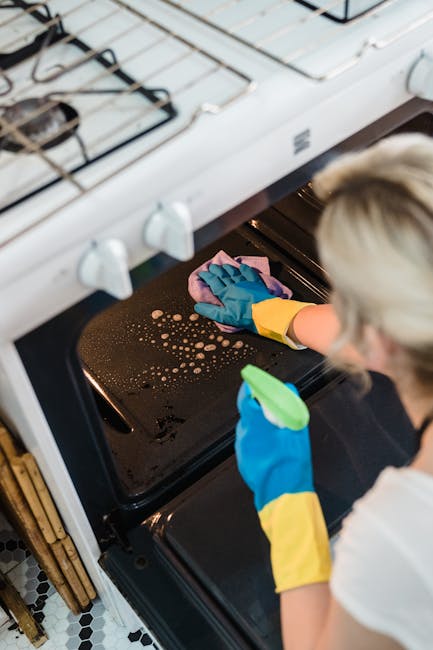
If you let property in Ilford, oven cleaning can become one of those small jobs that causes a surprisingly big headache. A greasy oven is easy to overlook during a tenancy, until an inventory check, a checkout report, or a tenant complaint turns it into a dispute. This guide explains Ilford landlord oven cleaning duties under Redbridge rules in plain English, so you can understand what is typically expected, where responsibilities usually sit, and how to handle the job sensibly without overcomplicating it.
To be fair, most landlords do not need a law degree for this. You do need a clear process, good records, and a realistic view of what "clean" means in a rental property. Below, you'll find practical steps, best practice, common mistakes, and a simple checklist you can actually use.
Why Ilford landlord oven cleaning duties under Redbridge rules Matters
In rental homes, the oven is one of the most common flashpoints at the end of a tenancy. It's used often, it shows wear quickly, and it tends to collect baked-on residue in a way that feels personal. You know the type: the tray that sticks, the glass door with a cloudy film, the smell of old roast dinners when the oven first heats up again.
For landlords in Ilford, the big issue is not just whether an oven looks decent. It is whether the condition matches the tenancy agreement, the inventory, and the usual standard expected when a tenant leaves. Under local expectations in Redbridge, the practical approach is usually the same as across much of the UK: the property should be handed back in a reasonably clean condition, allowing for fair wear and tear. That includes the oven.
Why does this matter so much? Because oven cleanliness can affect:
- checkout disputes between landlord and tenant
- how quickly a new tenancy can begin
- the impression given at viewings
- the cost of preparing the property for reletting
- the life of the appliance itself
There's also a trust angle. When tenants see that the landlord has a clear standard and uses proper records, the whole process feels less fraught. Less arguing, less ambiguity. Which is nice, frankly.
If you manage multiple properties, it can help to keep your wider cleaning routine consistent too. Services like deep cleaning, end of tenancy cleaning, and oven cleaning all support the same goal: a property that is ready for the next occupant without unnecessary friction.
How Ilford landlord oven cleaning duties under Redbridge rules Works
There is no single universal rule that says every landlord must deep clean an oven in every circumstance. In practice, the responsibility depends on the tenancy terms, the condition of the appliance at check-in, and what was agreed about cleaning at the start of the tenancy.
Here's the simple version. If the oven was provided by the landlord, it is usually part of the property that must be returned in a comparable condition, aside from normal wear and tear. If it was professionally cleaned before move-in and recorded that way, a landlord has a much clearer basis for expecting similar cleanliness at move-out. If the oven was already marked as imperfect in the inventory, expectations should be set more carefully.
Redbridge itself does not create a special "oven-only" standard that overrides ordinary tenancy practice. What matters in real life is the evidence trail: the inventory, the tenancy agreement, the check-in photos, and the checkout condition. If those say the oven was spotless at the start, a greasy oven at the end will be an easy point of discussion.
In other words, the rule is less about a magic local clause and more about proof, fairness, and consistency. That may sound a bit dull, but it's what prevents messy disputes.
Landlords often handle oven cleaning in one of three ways:
- Tenant cleans it before vacating - common where the agreement requires the property to be left professionally or thoroughly cleaned.
- Landlord arranges cleaning and deducts only where justified - this can happen if the property is returned in a worse state than recorded.
- Cleaning is built into the void period - useful for portfolio landlords or where you want one consistent standard before re-marketing.
For many landlords, the smoothest route is simply to treat the oven as part of the broader turnover process. That means a proper inspection, a clear decision, and, when needed, a specialist service such as oven cleaner support rather than hoping a quick wipe will do the trick. Usually it won't.
Key Benefits and Practical Advantages
Getting oven cleaning right is not just about avoiding complaints. There are several practical upsides that landlords notice pretty quickly.
1. Fewer deposit disputes
When a checkout report shows the oven was left dirty, disputes often become time-consuming and oddly emotional. A clear standard, backed by photos, reduces that problem.
2. Better tenant experience
A clean oven at move-in sends a strong message. It says the property has been cared for properly. That matters more than people admit.
3. Easier void management
If you turn around a property quickly, you need predictable jobs to be completed in sequence. Oven cleaning fits neatly into that rhythm, especially alongside domestic cleaning or a full property refresh.
4. Less long-term appliance damage
Built-up grease and burnt-on residue can make an oven smell, smoke, or underperform. Regular cleaning is basic maintenance, really.
5. Better presentation for viewings
Let's face it, people open the oven door. They look inside. A clean oven makes the kitchen feel fresher immediately.
Expert summary: For most Ilford landlords, the best approach is not to argue about the oven at the end of the tenancy. It is to define the standard early, document it well, and use a consistent cleaning process between occupancies.
Who This Is For and When It Makes Sense
This topic matters to more people than you might think. It is not only for landlords with large portfolios or fancy kitchens.
- Accidental landlords who rent out a former home and want to avoid first-time mistakes
- Buy-to-let owners managing single properties in Ilford
- Letting agents coordinating checkouts and pre-tenancy cleaning
- Landlords with HMOs where kitchen wear builds up faster
- Property investors who need a repeatable turnover standard
It makes particular sense when a tenancy is ending, after long occupancy, after a student let, or following a period where the kitchen has seen heavy use. If the oven has been neglected, you'll often notice it before you even touch it: a darkened glass pane, a sticky handle, maybe a burnt smell once the fan kicks in.
If the property needs wider attention, it can also be sensible to bundle the task with other services like one-off cleaning, house cleaning, or even after builders cleaning if the kitchen has been refurbished. One job, done properly, is often cheaper than three rushed ones.
Step-by-Step Guidance
Here is a practical workflow you can use. It is simple, but it works.
- Check the tenancy paperwork
Look at the tenancy agreement, inventory, and check-in report. What condition was the oven in at the start? - Inspect before the tenant leaves
A pre-checkout visit helps you see whether the oven is likely to need attention. A quick glance is often enough to flag a problem. - Photograph the oven properly
Take pictures of the door glass, racks, trays, seals, knobs, and interior. Good light matters. A blurry photo at 4pm in a dark kitchen helps nobody. - Decide whether the tenant must clean it or you will arrange it
Be clear and fair. If the agreement requires a clean return, say so politely and specifically. - Use the right level of cleaning
Light soilage may only need a standard wipe-down. Heavy grease, carbon build-up, or smoke stains usually call for professional oven cleaning. - Record the outcome
Keep invoices, before-and-after photos, and any notes about deductions or repairs. - Reset the kitchen for the next tenant
Make sure the appliance is dry, safe, and odour-free before the next viewing or move-in.
A useful rule of thumb: if cleaning the oven would take you an hour of scraping, swearing under your breath, and checking three different sponge types, it probably deserves a specialist approach. No shame in that.
Expert Tips for Better Results
There are a few small habits that make a big difference.
- Use consistent wording in your tenancy documents. "Cleaned to the same standard as check-in" is clearer than "reasonably clean," which can be interpreted in six different ways.
- Inspect seals and hinges too. Tenants may wipe the oven cavity and still leave grime in the edges. Those details matter during checkouts.
- Separate cleaning from damage. A dirty oven is usually a cleaning issue. A broken element or damaged door is a maintenance issue. Don't mix them up.
- Make cleaning part of the void schedule. If you leave it until the last minute, everything gets rushed and the kitchen can feel half-finished.
- Choose a reliable provider. If you use a cleaning company, make sure they understand rental turnovers, not just domestic surfaces. A good cleaning company will know the difference.
One small but useful point: a clean oven is much easier to maintain than a filthy one. That sounds obvious, but in practice it means a landlord can spend less later by dealing with light build-up early. Prevention is boring. Also effective.
Common Mistakes to Avoid
These are the mistakes that usually create friction.
- Assuming the tenant must pay for every oven issue - not every mark or stain is chargeable. Fair wear and tear still applies.
- Skipping the inventory photos - without evidence, a claim is much harder to support.
- Expecting perfection where the tenancy never promised it - the oven should be clean, yes, but not necessarily showroom-new unless that was agreed.
- Using harsh products incorrectly - this can damage enamel, seals, or glass, creating a bigger repair problem.
- Leaving the oven to the last minute before new tenants arrive - that is how jobs become chaotic.
Another common issue is over-deducting from deposits when the evidence is weak. That tends to escalate quickly. A calm, measured approach is far better, even when the situation is a bit annoying.
Tools, Resources and Recommendations
You do not need a van full of specialist kit, but a few practical tools make the process smoother.
- Inventory and checkout reports - your first line of defence
- Phone camera with good lighting - not glamorous, but essential
- Microfibre cloths - useful for quick checks and light grease
- Non-abrasive cleaning products - safer for oven interiors and glass
- Disposable gloves - sensible when dealing with heavy residue
- Professional oven cleaning service - best for severe build-up or tight turnaround times
If you want a dependable reset before reletting, services such as oven cleaning or a broader deep cleaning appointment can save a lot of time. For landlords dealing with fully furnished or heavily used kitchens, pairing oven work with home cleaners can be a neat all-in-one solution.
It also helps to keep related policies in one place. If you use outside cleaners, check practical matters like health and safety policy, insurance and safety, and terms and conditions before booking. That saves awkward conversations later.
Law, Compliance, Standards, or Best Practice
This is the part people often want in one crisp sentence, but property compliance is rarely that tidy. In England, landlords are generally expected to provide accommodation that is fit for habitation and maintained in a safe, usable condition. Oven cleanliness sits within that wider duty of care and the practical expectations set out in the tenancy agreement.
Redbridge rules do not normally replace the standard legal and contractual position. So in practice, the key questions are:
- Was the oven supplied by the landlord?
- What condition was it in at check-in?
- What does the tenancy agreement require at move-out?
- Is the requested standard fair and evidence-based?
Best practice is to document everything. If the oven is dirty but not damaged, it is usually treated as a cleaning matter. If there is actual damage, then that is a separate issue. The distinction matters, especially when dealing with deposit deductions or repairs.
One more thing: even when a landlord is technically entitled to ask for a clean oven, the request should still be proportionate. If a tenant has already cleaned it to a sensible standard, demanding a polish-like finish can feel unreasonable. And once a dispute starts, nobody enjoys the emails. Nobody.
For many landlords, the safest route is to build a repeatable standard around end of tenancy cleaning and clear inspection records. That gives you a solid, practical base without leaning on guesswork.
Options, Methods, or Comparison Table
There is more than one way to deal with oven cleaning at tenancy turnover. The right method depends on the condition of the property, your budget, and how quickly you need it turned around.
| Method | Best for | Pros | Limitations |
|---|---|---|---|
| Tenant cleans before leaving | Properties with clear tenancy clauses and light-to-moderate use | Low cost, simple when standards are agreed early | Quality varies; may need checking and follow-up |
| Landlord arranges a cleaner after checkout | Voids where the oven is left dirty or time is tight | Predictable result, easier to control standard | Can cost more if the issue is minor |
| Professional oven specialist | Heavy grease, baked-on residue, quick turnarounds | Usually the best finish, saves time, reduces hassle | Extra cost compared with a basic wipe-down |
| Full property cleaning package | End of tenancy or re-marketing refresh | Efficient, consistent, good for whole-kitchen presentation | Can be more than you need for a minor issue |
If you also need surrounding surfaces, floors, or fabric cleaned, a broader service like carpet cleaning or window cleaning can help the property feel properly ready, not just technically tidy. Little things add up.
Case Study or Real-World Example
A typical Ilford scenario goes like this. A landlord visits a flat in the last week of tenancy and notices the oven door has a brown haze, the trays are greasy, and the interior smells slightly burnt when heated. Nothing dramatic. Just enough to be awkward.
The inventory from check-in shows the oven was professionally cleaned at the start, with clear photos. The tenant says they "gave it a wipe." The landlord now has a choice: push for a deposit deduction, clean it personally, or bring in a specialist.
In this kind of case, the most efficient outcome is usually to book a proper clean, document the result, and move on. The landlord avoids a long back-and-forth, the new tenant gets a kitchen that feels fresh, and the property is ready sooner. That is often worth more than chasing a small dispute.
We have seen similar cases where the oven issue was not the real problem at all. The real problem was a lack of clarity at check-in. Once the next tenancy came around, the landlord changed the process: photos, notes, and a standard pre-let clean every time. Much calmer. Much better.
Practical Checklist
Use this before a tenancy ends or before new tenants move in.
- Check the tenancy agreement for cleaning expectations
- Review the check-in inventory and oven photos
- Inspect the oven interior, trays, racks, door glass, knobs, and seals
- Take clear before photos in good light
- Decide whether the tenant can reasonably clean it themselves
- Arrange a specialist clean if grease or carbon build-up is heavy
- Keep all invoices and photo records together
- Confirm the oven is dry, safe, and ready for use
- Make the standard consistent for future tenancies
Quick takeaway: the best landlord process is simple, fair, and documented. If you can explain the decision clearly and show the evidence, you are usually in a strong position.
Get a free quote today and see how much you can save.
Conclusion
For Ilford landlords, oven cleaning is one of those jobs that looks small but carries real weight. Under Redbridge expectations and ordinary tenancy practice, the aim is not perfection for its own sake. It is fairness, cleanliness, and a sensible standard backed by evidence.
If you keep records, set expectations early, and deal with greasy ovens before they become a dispute, you will save time and reduce stress. That is the real win here. Not a glamorous one, maybe, but a useful one.
And if the oven is already staring back at you with burnt-on mess and a faint smell of last winter's Sunday roast, don't panic. There is a clean path through it.
Frequently Asked Questions
Are landlords in Ilford responsible for cleaning the oven between tenancies?
Usually the landlord is responsible for ensuring the property is returned to a safe, usable, and reasonably clean condition before the next tenancy begins. Whether the tenant must clean the oven first depends on the tenancy agreement and the condition recorded at check-in.
Do Redbridge rules say the oven must be professionally cleaned?
Not as a blanket rule, no. In practice, professional cleaning is often used when the oven is heavily soiled, when the turnover is tight, or when the tenancy agreement and inventory support a higher cleaning standard.
Can a landlord deduct oven cleaning costs from the deposit?
Possibly, but only where the tenant has left the oven in a worse condition than allowed for by the agreement and fair wear and tear. Good evidence is essential. Without photos or inventory notes, deductions can be harder to justify.
What counts as fair wear and tear in an oven?
Light surface marks, minor discolouration from normal use, and ageing that comes with time are often treated as fair wear and tear. Heavy grease, baked-on residue, and clearly neglected cleaning are different and may justify action.
Should landlords clean the oven themselves or use a specialist?
If the oven is only lightly dirty, a landlord or managing agent may handle it. If there is heavy build-up, a specialist is usually more efficient and gives a better finish. It also saves a lot of frustration, which is worth something too.
How often should an oven be cleaned in a rental property?
There is no universal timetable. A sensible approach is to clean it at turnover and inspect it during longer tenancies if usage is heavy. In properties with frequent lets, a regular deep clean is often the practical answer.
What if the tenant says they cleaned the oven but it still looks dirty?
That happens quite a lot, honestly. The landlord should compare the result against the inventory and the tenancy agreement, then decide whether the standard is acceptable. If not, a cleaner can be arranged and any justified costs discussed fairly.
Does a dirty oven affect re-letting the property?
Yes. A dirty oven can make the kitchen feel neglected, even if the rest of the property looks fine. At viewings, tenants notice these details quickly. A clean oven helps the whole place present better.
Can oven cleaning be part of a broader end of tenancy clean?
Absolutely. In many cases it makes sense to combine oven work with end of tenancy cleaning so the whole kitchen and property are dealt with in one go. That tends to be neater and less stressful.
What records should a landlord keep?
Keep the check-in inventory, checkout report, dated photographs, invoices, and any written agreement about cleaning responsibility. Those records are the backbone of a fair decision if a dispute comes up later.
Is it better to clean the oven before or after the tenant moves out?
If the tenant is responsible for cleaning, the check-out stage should reveal whether the oven meets the agreed standard. If you want a guaranteed result for the next tenancy, arranging the clean during the void period is often the better option.
Where can I find related cleaning support in Ilford?
If you need wider property cleaning support, services such as cleaners, cleaner, and domestic cleaning can be useful alongside oven-specific work.