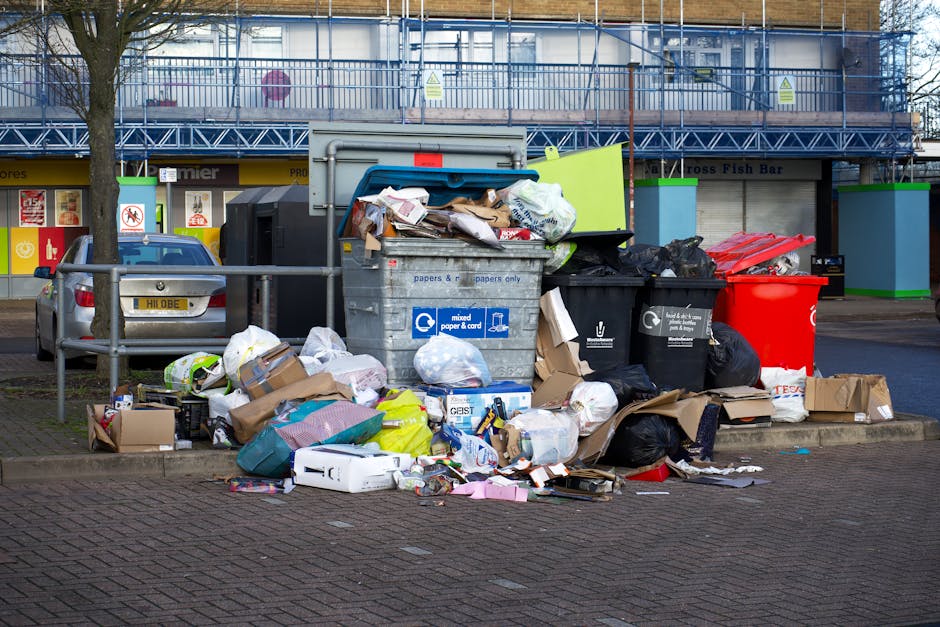
Safe disposal standards for oven cleaning waste in Ilford
If you have ever scrubbed an oven after a long spell of roasting, baking, and the odd casserole spill, you will know the mess is rarely just "dirt". Oven cleaning waste can include greasy residue, chemical runoff, used cloths, scraper debris, and dirty water that should not be tipped away casually. In Ilford, getting the disposal side right matters just as much as the cleaning itself. Safe disposal standards for oven cleaning waste in Ilford help protect drains, surfaces, people, and the wider environment - and they also keep the whole job neat, responsible, and professional.
Whether you are a homeowner, landlord, tenant, or managing a busy property, it pays to understand what counts as oven cleaning waste, how it should be handled, and where the common risks sit. This guide walks through the practical standards, the sensible precautions, and the everyday decisions that make disposal safer. No fuss. Just clear, local, useful advice.
Table of Contents
- Why safe disposal matters
- How disposal works in practice
- Key benefits and practical advantages
- Who this is for and when it makes sense
- Step-by-step guidance
- Expert tips for better results
- Common mistakes to avoid
- Tools, resources and recommendations
- Law, compliance, standards, and best practice
- Options, methods, and comparison table
- Case study or real-world example
- Practical checklist
- Conclusion
- Frequently asked questions
Why Safe disposal standards for oven cleaning waste in Ilford Matters
Oven cleaning looks simple from a distance, but the waste produced during the job can be surprisingly messy and, in some cases, risky. Grease and carbon deposits can block sinks and foul kitchen pipes. Strong degreasers can irritate skin and eyes. Soiled pads and cloths can spread grime around a kitchen if they are not contained properly. And if waste is mixed together carelessly, you end up with more mess than when you started. Annoying, really.
In a place like Ilford, where homes, flats, rented properties, and small businesses all sit close together, poor waste handling can quickly become a wider nuisance. A rushed clean-up can leave odours, stained bins, or residue on shared paths and communal areas. That is why the disposal part of oven cleaning should be treated as part of the job, not an afterthought.
There is also a trust angle. If a cleaner or customer is handling the job, responsible waste disposal signals professionalism. It tells you the work has been planned properly, that safety has been considered, and that the end result is not just visually clean but responsibly managed too. If you want a broader sense of how a careful provider approaches hygiene and safety, it can be useful to look at the site's health and safety policy and recycling and sustainability approach.
Expert summary: safe disposal is not about making oven cleaning complicated. It is about containing grease, separating waste, avoiding drain damage, and choosing the right end point for each waste type. Small habits prevent big headaches.
How Safe disposal standards for oven cleaning waste in Ilford Works
At a practical level, safe disposal standards are built around one simple idea: do not let oven waste escape into places where it can cause damage. That usually means capturing solids, controlling liquids, and separating chemical products from general rubbish where needed. The method changes slightly depending on whether the clean is light domestic maintenance or a deep clean after months of baked-on residue.
Here is how it usually works in a well-run clean:
- Waste is identified first. Used cloths, scrub pads, burnt-on flakes, grease, and leftover cleaning solution are treated separately.
- Liquids are controlled. Dirty water and diluted cleaning solution are collected rather than freely poured away.
- Solids are bagged or contained. Carbon scrapings and food residue are placed in a sealed waste bag or similar container.
- Surfaces are protected. Work is carried out in a way that avoids spreading residue to floors, cupboards, or shared areas.
- Final disposal is matched to the waste type. General non-hazardous waste goes in the correct bin stream, while more troublesome products are handled with extra care.
If a professional cleaner is involved, they should already have a process for minimising mess and leaving the kitchen ready to use. That is one reason people often choose a trusted oven cleaner or a broader cleaning company rather than trying to improvise on the day.
One thing worth saying plainly: not every cleaning product creates the same disposal challenge. A mild domestic spray is one thing; a heavy-duty degreaser or a product used after a neglected oven is another. So the standard is not "one-size-fits-all". It is about sensible matching of waste to disposal route.
Key Benefits and Practical Advantages
Safe disposal may sound like the boring bit of oven cleaning, but in practice it is where a lot of the value sits. It protects the property, reduces hassle, and keeps the cleaning process from turning into a second job. And let's face it, nobody wants to scrub their kitchen, then spend another hour cleaning up the cleaning.
- Less risk of blocked drains: grease and food particles are kept out of sinks and pipework.
- Cleaner shared spaces: in flats or HMOs, proper bagging and transport avoid mess in hallways and bins.
- Better hygiene: residues are removed rather than smeared around with a damp cloth and hope.
- Safer handling: chemical exposure is reduced when waste is contained correctly.
- More professional finish: the oven area looks and smells better after the work is done.
- Lower environmental impact: suitable disposal and reduced waste contamination support responsible cleaning habits.
For landlords, tenants, and anyone preparing a property for handover, this matters more than people think. A spotless oven with sloppy waste handling can still leave odours, stains, or complaints. A tidy disposal process often makes the difference between "fine" and "done properly".
It also supports broader services where hygiene and order are part of the package, such as end of tenancy cleaning, deep cleaning, and even one-off cleaning when a property needs a full reset.
Who This Is For and When It Makes Sense
This topic is relevant to more people than you might expect. If you only ever wipe the oven door once in a while, the waste volume is tiny. But once a proper clean gets underway, disposal standards start to matter quickly.
You will especially want to pay attention if you are:
- a homeowner doing a spring clean or post-roast reset
- a tenant preparing for inventory or move-out checks
- a landlord or letting agent trying to keep kitchens compliant and presentable
- a cleaner managing multiple properties in Ilford
- a business owner with staff kitchen ovens that see regular use
- someone dealing with a neglected oven that has heavy grease build-up
It makes sense whenever the waste is more than a quick wipe of a baking tray. If you are scraping thick carbon, dealing with old grease, or using stronger cleaning solutions, you need a clearer disposal plan. That is true in a family kitchen and in a rental flat. The scale changes, but the principle does not.
For some jobs, oven cleaning sits alongside other home tasks, so you may also be coordinating domestic cleaning, house cleaning, or support from home cleaners. In those cases, keeping waste streams organised helps the entire property clean run more smoothly.
Step-by-Step Guidance
The safest approach is to treat oven waste like a sequence, not a pile. That sounds obvious, but in practice it is where people go wrong. They wipe, scrape, rinse, and bin things all at once, then wonder why the sink smells odd.
- Clear the area first. Remove trays, racks, loose foil, and any food debris. Protect nearby worktops and the floor with a towel or washable cover if needed.
- Separate obvious waste. Food scraps, burnt flakes, and packaging go straight into the correct general waste container, unless the material is contaminated with chemicals.
- Use cleaning products sparingly. Follow the product instructions. More is not always better. Honestly, it usually just means more rinsing later.
- Collect dirty cloths and pads. Do not leave them lying on a counter or sink edge. Put them into a washable bucket, sealable bag, or dedicated waste container.
- Handle liquid carefully. If the residue contains a stronger cleaning solution, do not tip it into the sink without checking the product guidance. Neutralised or heavily diluted wastewater is usually less of a problem, but caution is wise.
- Wipe the area clean after disposal. The waste is only truly gone when the surrounding surfaces are clean too.
- Wash hands and tools. Use warm water and soap after the work. It sounds basic because it is basic, and it still gets missed.
If the oven clean has been part of a bigger property refresh after building work or a move, it may help to combine the task with after builders cleaning or other structured cleaning support. That way waste from several small jobs is managed in one organised pass instead of being scattered over the week.
One practical tip: keep a spare bag open nearby before you start. Small thing, huge difference. When you are halfway through and your gloves are already on, you will be glad it is there.
Expert Tips for Better Results
Good disposal habits are often about little decisions made early. In our experience, the cleaners who do this well are not necessarily the ones with the fanciest products. They are the ones who control the job from the first wipe to the last bag tie.
- Work from dry to wet where possible. Remove loose debris before introducing liquid so you create less sludge.
- Keep a dedicated waste zone. One corner, one bag, one container. It stops contamination spreading across the kitchen.
- Do not over-soak cloths. A dripping cloth just drags residue around and makes disposal more awkward.
- Label chemical containers if they are decanted. Better still, avoid decanting unless it is genuinely necessary.
- Ventilate the room. Open a window if you can. The air feels fresher and product fumes clear faster.
- Finish with a fresh water wipe. This helps remove residue from handles, seals, and the floor around the oven.
If you are hiring help, ask how they handle waste after the clean. A trustworthy provider should be able to explain their process in plain English. You do not need a lecture, just a sensible answer. If that reassurance matters to you, the company's insurance and safety information and recycling and sustainability notes are good places to look for that extra confidence.
A small reality check: the neatest clean-ups usually happen when the mess is tackled in stages. Trying to do it all in one heroic rush often ends with streaks on the hob and a towel that needs its own wash. Not the end of the world, but avoidable.
Common Mistakes to Avoid
Most disposal problems are not dramatic. They are ordinary oversights. That is what makes them annoying. A little grease here, a wet cloth there, and suddenly the kitchen feels untidy again.
- Tipping greasy water straight down the sink: this is one of the quickest ways to create pipe problems.
- Mixing all waste together: cloths, food scraps, and chemical residue should not all be handled the same way by default.
- Leaving used pads exposed: they can smell, drip, or spread dirt onto surfaces.
- Using too much product: excess solution creates more wastewater and more rinsing.
- Ignoring labels and instructions: product guidance is there for a reason, even if it feels a bit dull to read.
- Forgetting shared spaces: flats and managed properties need extra care because bins, corridors, and lifts are not private work zones.
Another common one is assuming that because something "looks clean", it is safe to dispose of like normal water. Not always. Grease and product residues can remain even when the liquid seems harmless. Best to be cautious.
Tools, Resources and Recommendations
You do not need specialist equipment for every oven clean, but a few practical tools make the disposal side much safer and easier. Simple really.
| Tool or item | Why it helps | Best use |
|---|---|---|
| Sealable waste bags | Contain greasy cloths and debris | After scraping, wiping, and pad removal |
| Disposable gloves | Reduce direct contact with residue | During product application and waste handling |
| Bucket or tub | Holds used cloths and dirty water safely | While cleaning racks, trays, and interior surfaces |
| Microfibre cloths | Lift residue effectively and are washable | Wiping away loosened grease and final polish |
| Plastic scraper | Helps lift burnt-on deposits without excessive abrasion | Removing dry carbon before wet cleaning |
For households and businesses that want a more complete clean, oven work often sits alongside services like carpet cleaning, upholstery cleaning, or window cleaning. That does not mean the waste is the same, of course. It just means a coordinated cleaning plan can save time and keep the property looking consistent.
If you are comparing providers, a useful question is whether they separate waste, protect the property, and tidy the work area before they leave. That is often a better test than simply asking what chemicals they use.
Law, Compliance, Standards, or Best Practice
This topic touches on responsible waste handling, cleaning-product safety, and general environmental care. The exact legal duties can vary depending on the type of waste, the setting, and whether the work is domestic or commercial. So it is sensible to speak carefully here rather than pretend there is one simple rule for every kitchen.
As a broad UK best practice, oven cleaning waste should be handled in a way that avoids harm to people, drains, and the environment. That means:
- following product labels and safety guidance
- not pouring contaminated grease waste into sinks without due care
- keeping chemical products away from children and pets
- disposing of general waste through the correct household or business route
- using appropriate care for stronger cleaning agents or unusual residues
For commercial premises, the expectations are usually higher because more waste is generated and more people may be exposed. In a home, the risks are smaller but still real. In both cases, the standard is the same in spirit: do the job cleanly, safely, and without cutting corners.
If you are unsure whether a residue is simply general waste or needs separate handling, the safest move is to treat it more cautiously. That is especially true when you have used a heavy degreaser or are dealing with an oven that has not been cleaned for a long time.
It may also help to review the provider's terms and conditions and privacy policy if you are booking a service online. Those pages will not tell you how to dispose of grease, obviously, but they do show whether the business is organised and transparent.
Options, Methods, or Comparison Table
Different oven waste situations call for different handling methods. The right choice depends on how dirty the oven is, what products you are using, and whether the work is domestic or commercial. Here is a simple comparison to make it easier.
| Method | Best for | Advantages | Watch-outs |
|---|---|---|---|
| General waste bagging | Dry scrapings, used pads, packaging | Simple and tidy | Can smell if left open |
| Contained liquid collection | Dirty rinse water and diluted residue | Reduces drain risk | Needs careful handling and prompt emptying |
| Washable cloth system | Routine home cleaning | Less disposable waste | Requires proper laundering afterwards |
| Professional service disposal | Heavy grease or larger property cleans | More organised and less hassle | Depends on the provider's process |
For most households, a simple bag-and-bucket method is enough if it is done properly. For larger jobs, or where waste volume is awkward, using a service that already has a disposal routine built in can be far easier. That is one reason many people in Ilford prefer to combine oven cleaning with other services rather than treating it as a one-off scramble.
Case Study or Real-World Example
Picture a typical Ilford flat on a Friday afternoon. The tenant is moving out on Monday, the oven has a thick ring of grease around the fan cover, and there is burnt-on debris sitting under the lower rack. Nothing dramatic, just the usual "we meant to deal with that sooner" situation.
The first attempt is a quick spray-and-wipe. It helps a little, but the residue turns into a greyish slurry on the cloth. That cloth then gets left on the side. The room starts to smell faintly sharp, and the sink is filled with oily rinse water. Not ideal.
A better approach is to scrape the dry debris first, bag the solids, collect the used cloths in a sealable container, and only then deal with the liquid residue in a controlled way. The oven ends up cleaner, the kitchen stays tidier, and there is no surprise mess in the hallway bin afterwards. Tiny difference in method. Big difference in outcome.
That is the practical value of safe disposal standards: they save time later. They also reduce embarrassment, which, to be fair, is sometimes the real driver. Nobody wants to hand back a flat with a sparkling oven and a bin bag trail leading to the front door.
Practical Checklist
Use this quick checklist before, during, and after the clean. It keeps things steady when you are in the middle of the job and trying not to drip on the floor.
- Clear the oven area and protect nearby surfaces
- Wear gloves and keep a waste bag or container nearby
- Remove loose food scraps and dry carbon first
- Keep used cloths separate from clean ones
- Do not overuse chemical products
- Collect dirty water rather than letting it run everywhere
- Check whether the product has any special disposal guidance
- Seal waste bags before moving them through shared spaces
- Wipe down the surrounding kitchen area after disposal
- Wash hands and clean reusable tools properly
If you are hiring help, a quick conversation about waste handling can tell you a lot. A careful cleaner will usually explain the process without sounding flustered. That calm, practical tone is often a good sign.
Get a free quote today and see how much you can save.
Conclusion
Safe disposal standards for oven cleaning waste in Ilford are really about common sense, consistency, and care. Keep solids contained, control liquids, follow product instructions, and do not let grease wander into drains or shared spaces. When those basics are in place, the whole cleaning process feels easier and the result lasts longer.
Whether you are cleaning a family oven, preparing a rental property, or arranging a full-home refresh, the waste side deserves proper attention. It is a small part of the job, but it shapes the outcome more than people realise. A tidy clean-up leaves a better impression, and there is something reassuring about that. Nice to have, really.
Frequently Asked Questions
What counts as oven cleaning waste?
It usually includes grease, burnt food debris, used cloths, scrub pads, diluted cleaning solution, and any packaging or disposable materials used during the clean.
Can I pour oven cleaning waste down the sink?
Not always. Small amounts of lightly contaminated rinse water may be manageable in some situations, but greasy or chemical-heavy waste should be handled much more carefully to avoid drain issues and product misuse.
Is grease from oven cleaning considered hazardous waste?
Usually not in a household context, but that does not mean it should be treated casually. The exact handling depends on the product used and the nature of the residue, so caution is sensible.
What is the safest way to dispose of used cloths after oven cleaning?
Place them in a sealed waste bag or dedicated container after use. If they are reusable, wash them separately from other laundry so grease does not spread.
Do professional oven cleaners handle waste differently from homeowners?
They usually should. A good professional service will have a set process for containing residue, protecting the property, and removing waste safely at the end of the job.
Why does oven waste smell after cleaning?
Usually because grease, food residue, or used cleaning materials have been left open to the air. Sealing waste and wiping the surrounding area usually helps quickly.
What should I do if cleaning product gets into my eyes or on my skin?
Follow the product instructions immediately and rinse the affected area with plenty of water. If irritation continues, seek appropriate medical advice. It is always better to be cautious with stronger products.
How can I reduce the amount of oven cleaning waste I create?
Use products sparingly, scrape dry debris first, and use washable cloths where possible. A staged clean tends to create less waste than a rushed one.
Does oven cleaning waste need special bins in Ilford?
Most domestic oven waste can be handled through normal household disposal routes if it is properly contained. However, if you are dealing with unusual residues or larger commercial volumes, extra care may be needed.
Should I clean the oven before or after other household cleaning?
Usually before the final general wipe-down, so you can deal with any drips, dust, or residue from the oven clean afterwards. That keeps the kitchen finish more consistent.
Can oven cleaning waste affect rental inspections or end-of-tenancy checks?
Yes, indirectly. Poor disposal can leave smells, stains, or mess in bins and shared areas, which can undermine an otherwise good clean. If you are preparing to move, it is worth being thorough.
Where can I get help if I want the job done properly?
You can speak with a trusted local cleaning provider that understands oven care, waste handling, and property protection. If you want to explore service details, oven cleaning is a sensible place to start, and you can also look at related options like cleaners if you need broader support.